3 hr
Mission Bay Whale Watching Cruise
- Entry ticket
- Mobile voucher
- Valid same day
- Free cancellation
San Diego Boat Tours Whale Watching — Bay & Coastal Cruises
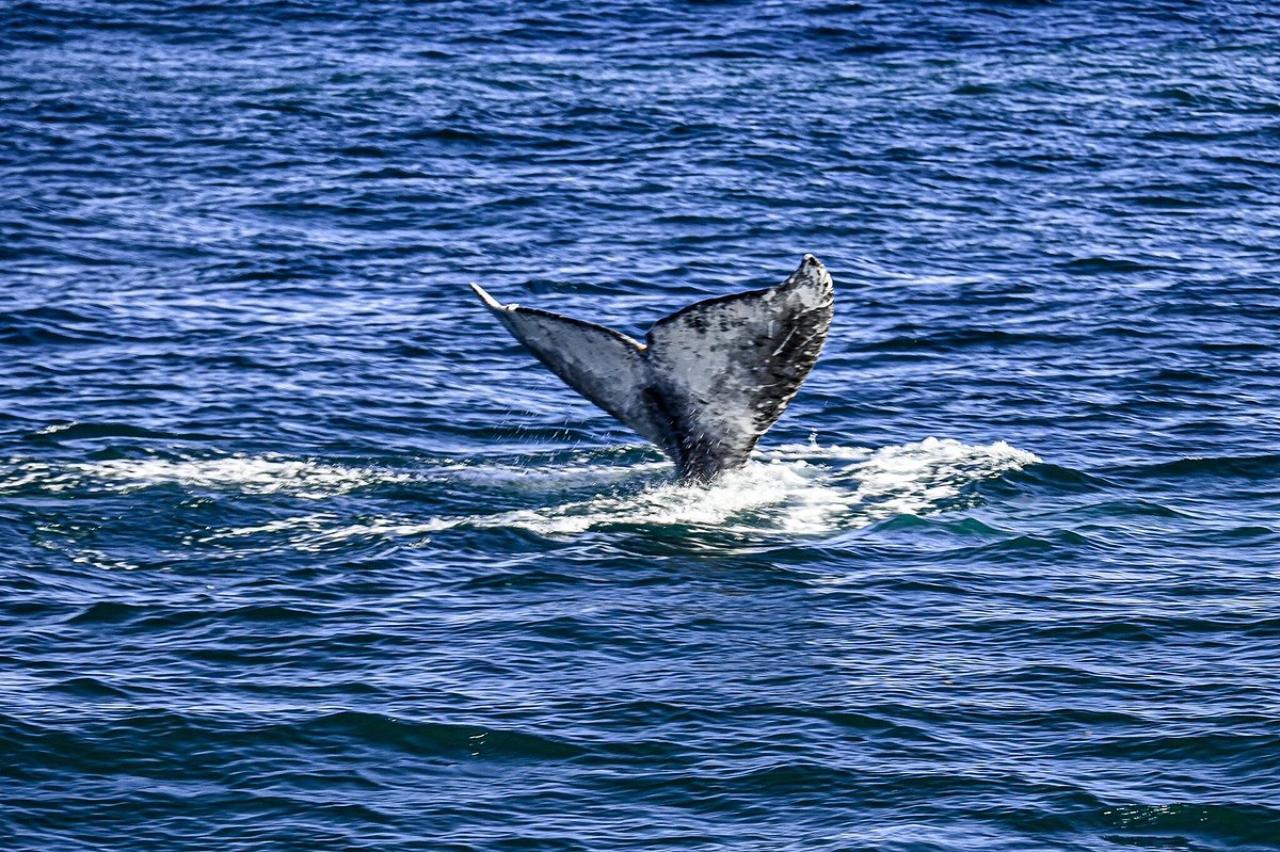
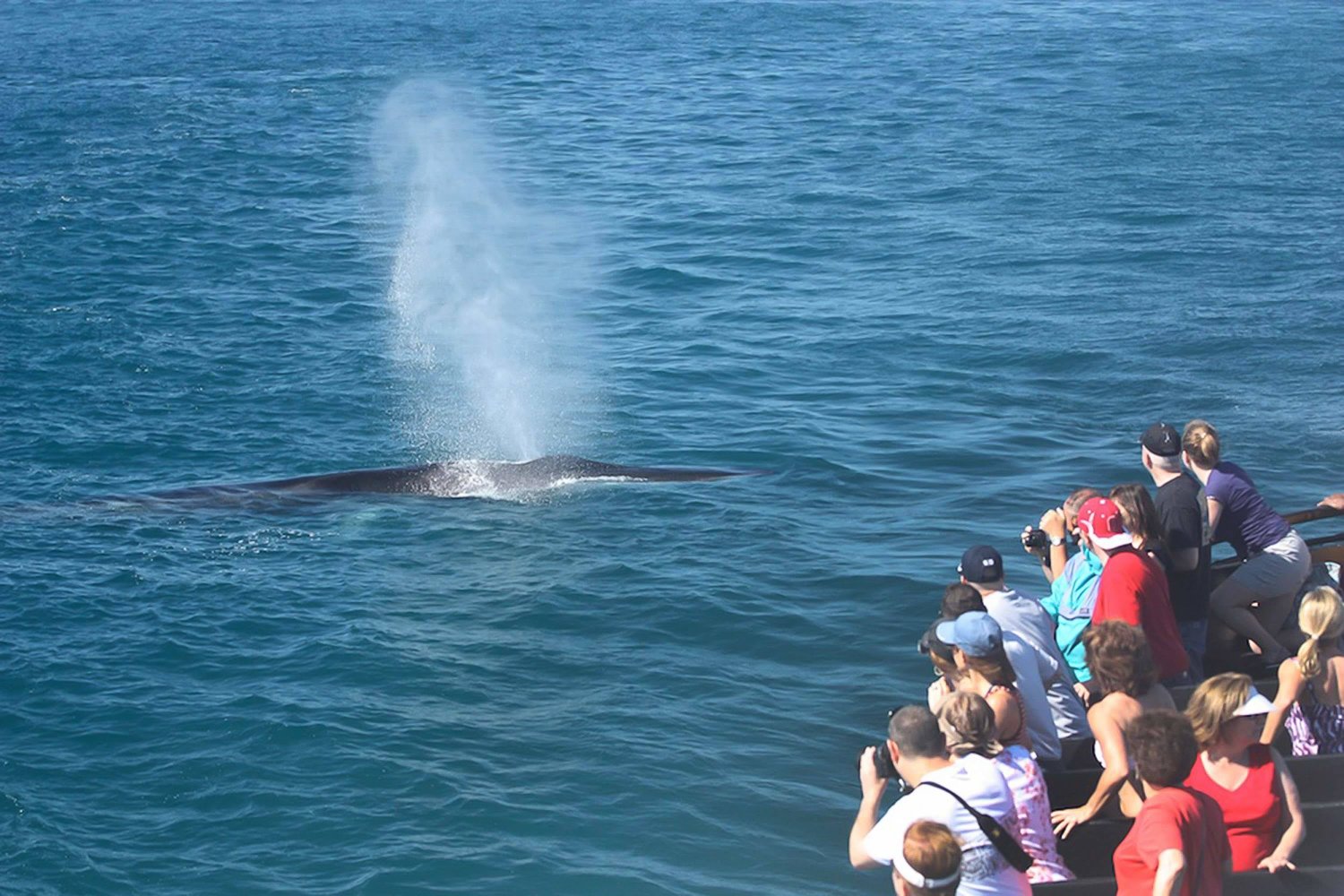
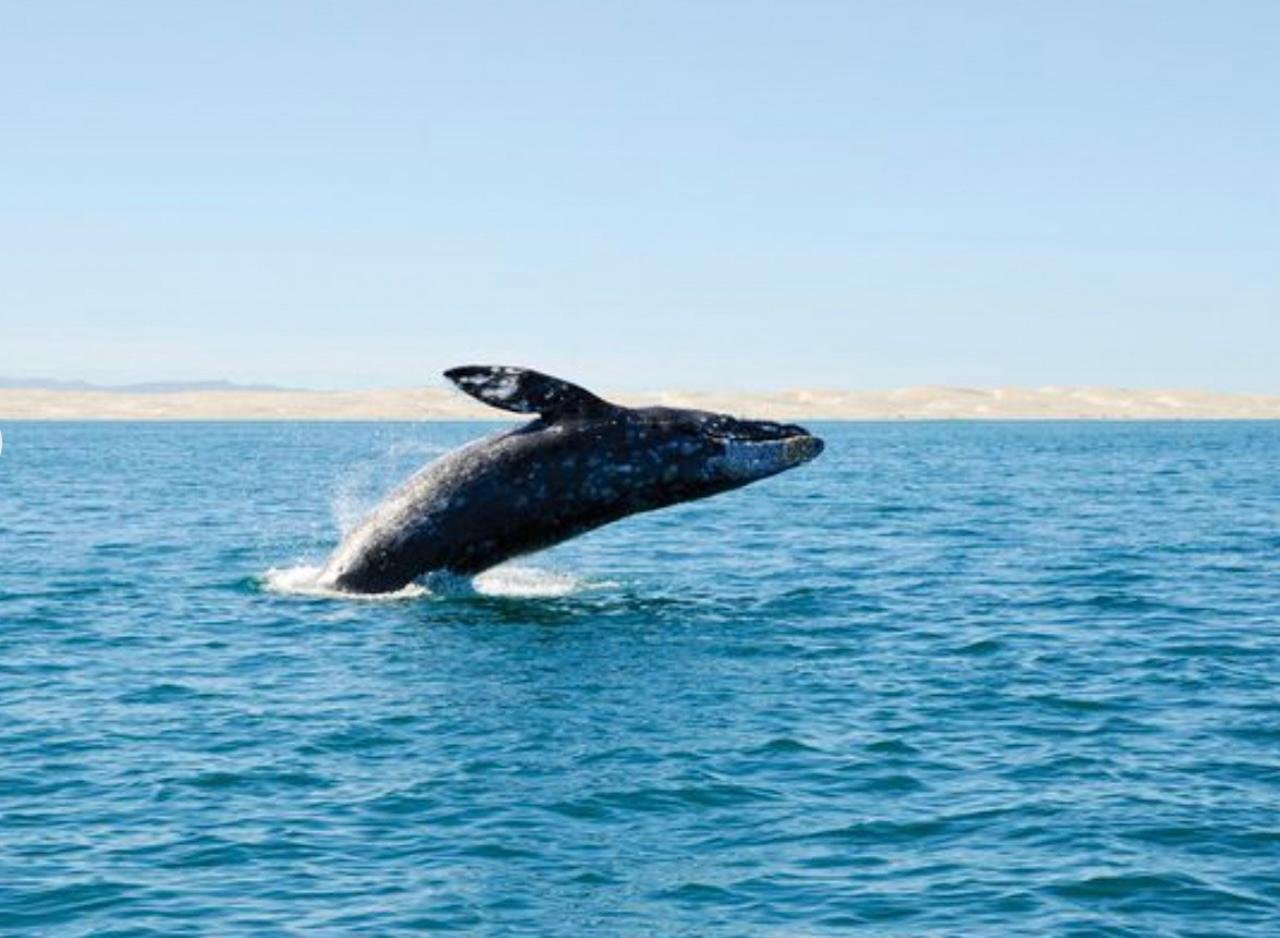
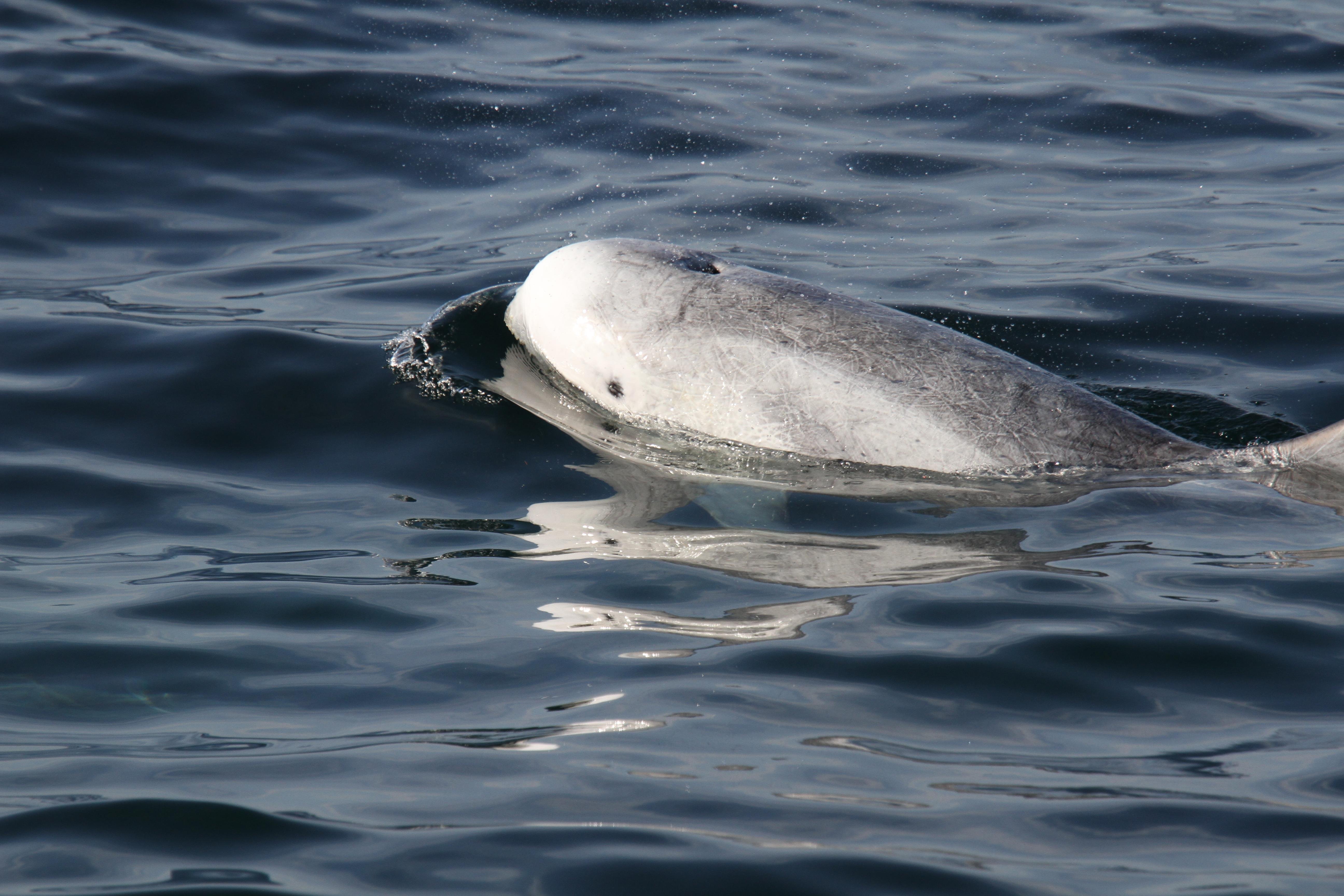
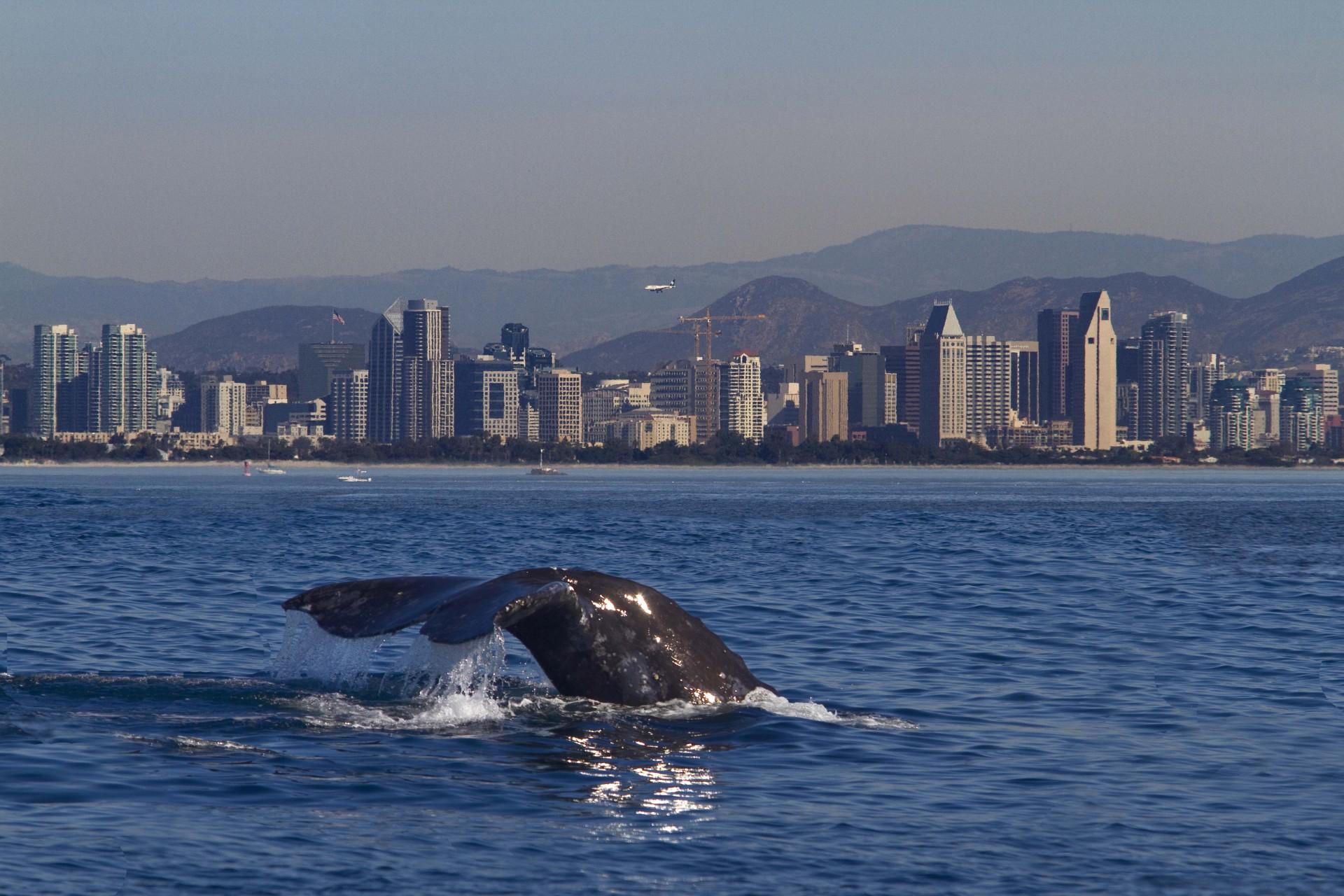
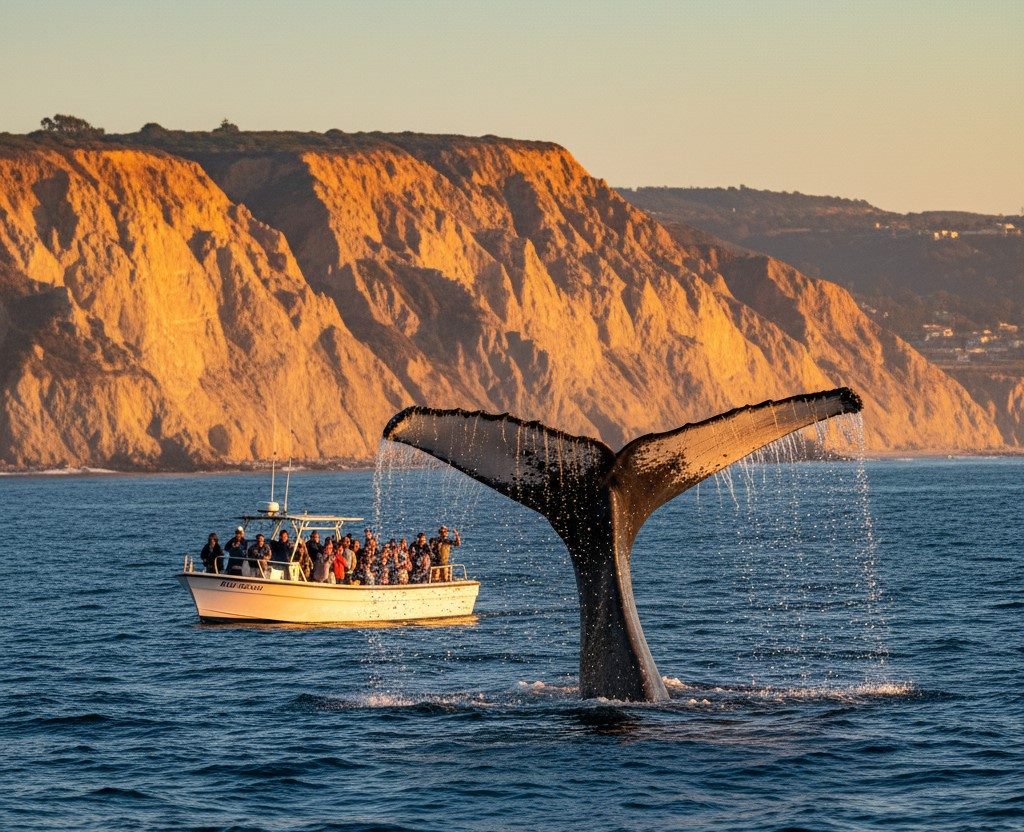
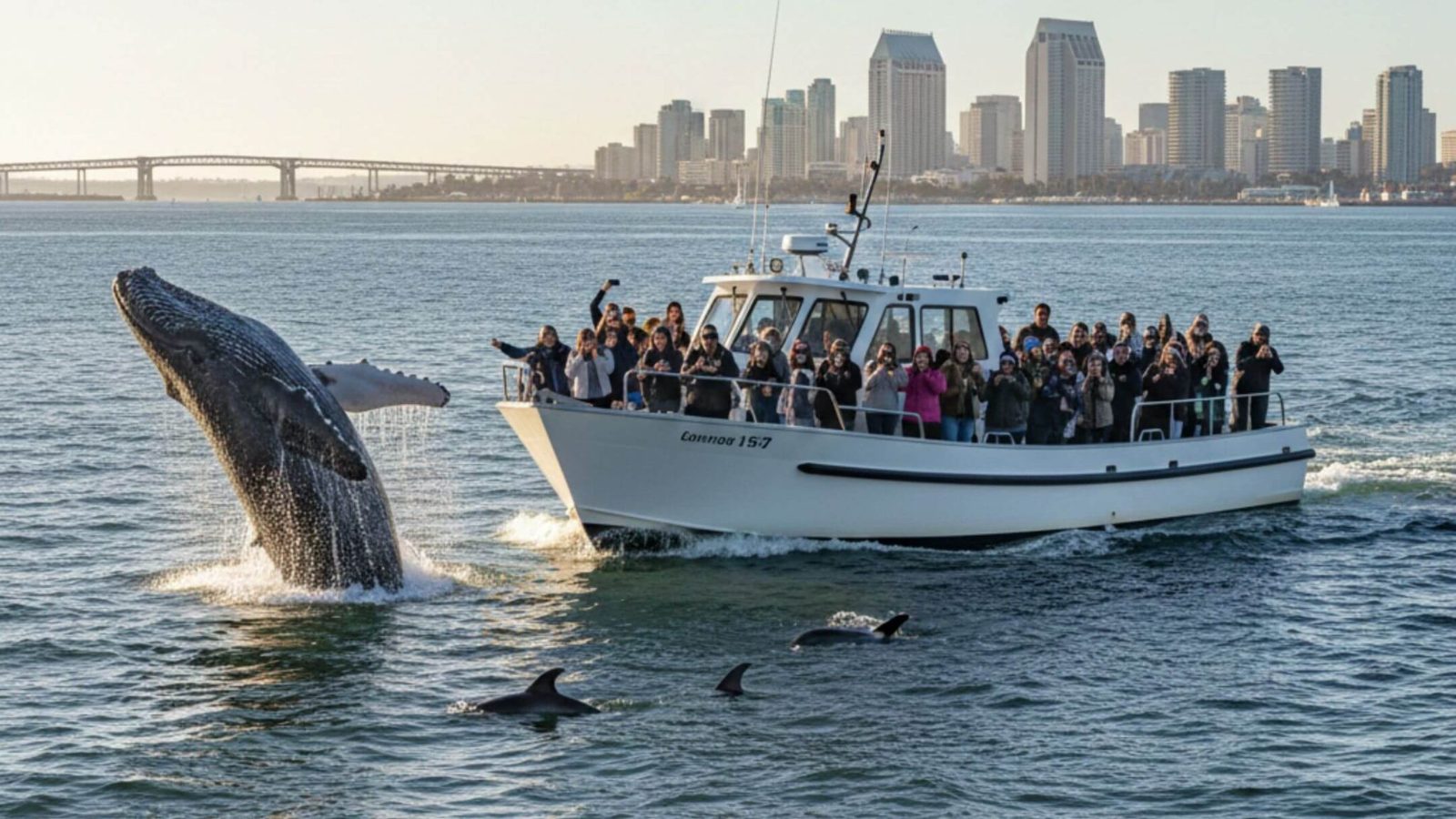
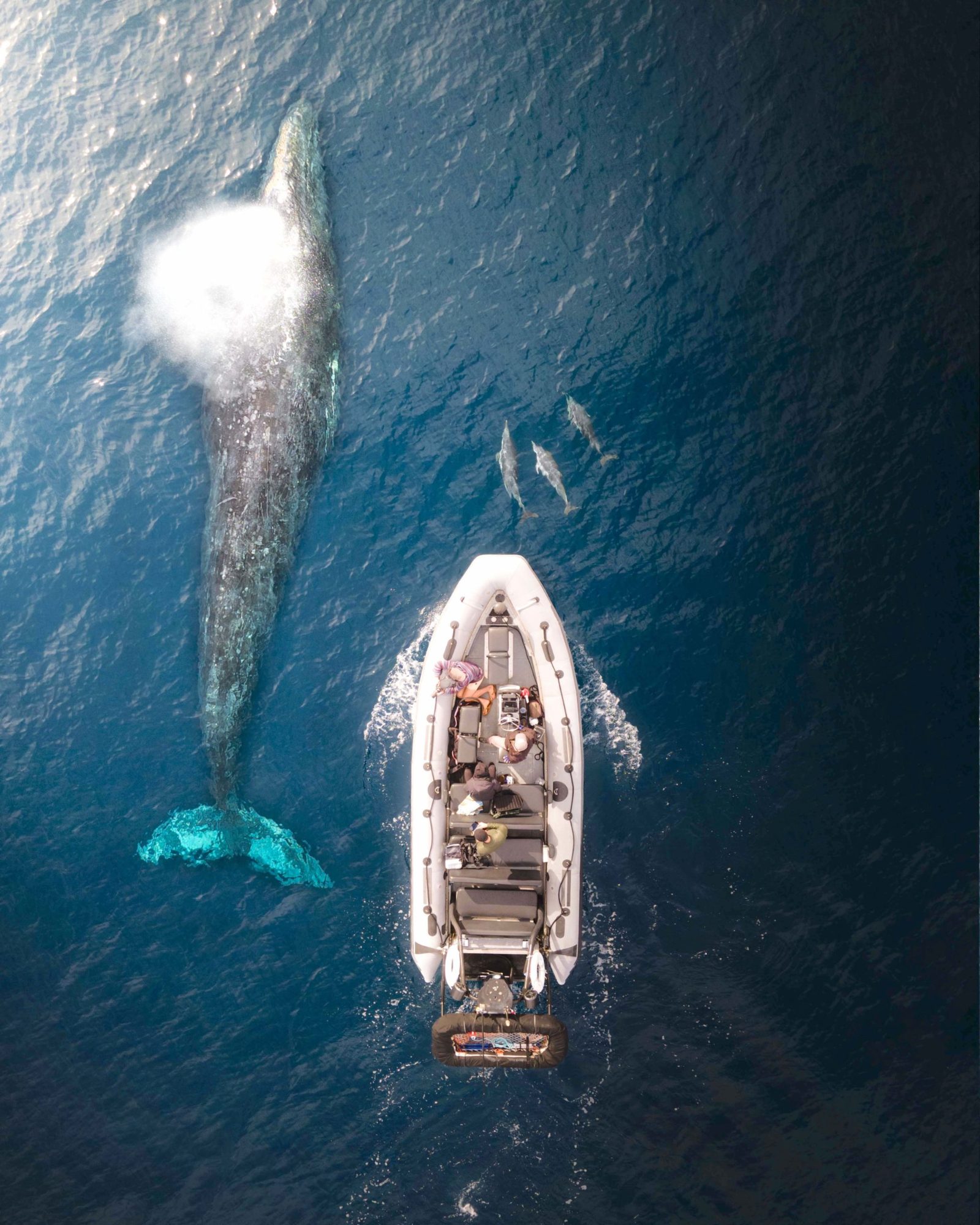
Gray whales breach off Point Loma, bottlenose dolphins ride the bow wake
Compare fares, pick the fit — all bookings are mobile-voucher and eligible for free cancellation where shown.
3 hr
1 hr
3 hr
Selecting the right san diego boat tours whale watching option depends on your preference for vessel size, amenities, and stability while searching for marine life. These San Diego Bay departures provide varied levels of access to coastal wildlife viewing experiences.
|
Top pick Standard Public Tour Large Yacht Experience |
Private Charter Exclusive Wildlife Excursion | |
|---|---|---|
| Duration | 3 to 4 hours | Flexible duration |
| Vessel Type | Multi-deck cruise yacht | Private charter boat |
| Viewing Areas | Indoor and outdoor decks | Private boat access |
| Best for | First-time visitors | Custom groups and families |
| See tickets & prices |
Verdict: First-time visitors should choose the standard public san diego boat tours whale watching tickets for a reliable, expert-led journey on the open ocean.
Worth it for patient wildlife enthusiasts
San Diego boat tours whale watching operates in some of the Pacific's most reliable cetacean migration corridors, with gray whales passing December through April and blue whales frequenting summer months. The value equation hinges on operator expertise rather than guaranteed sightings—experienced naturalists read ocean conditions, track recent pod movements, and position vessels where marine mammals are statistically most active. Tours departing from San Diego Bay and Mission Bay range from two-hour harbor circuits to half-day coastal expeditions, each priced according to vessel size and open-ocean access. The return on investment scales with realistic expectations: this isn't a zoo exhibit but a calculated gamble on migratory patterns, weather windows, and the Pacific's unpredictable rhythms. Photographers and families comfortable with the inherent uncertainty of wildlife observation find the combination of expert interpretation, ocean access, and potential close encounters with dolphins, sea lions, and seasonal whales justifies the outlay. Casual sightseers expecting guaranteed performances may find better value in static bay attractions.
Bottom line: The san diego boat tours whale watching tickets pay off when you value the chase as much as the catch—operator skill and seasonal timing matter more than price tier alone.
They complement each other; most visitors who do both call the wildlife expedition more thrilling while preferring the harbor cruise for a relaxing tour of the city skyline.
|
Top pick Whale Watching |
Harbor Cruise | |
|---|---|---|
| Primary focus | Marine life and cetaceans | City skyline and history |
| Wildlife guarantee | Sightings common but not guaranteed | No wildlife focus |
| Scenic variety | Open ocean and coastal vistas | Naval vessels and urban landmarks |
| Vessel type | High-speed expedition craft | Large passenger sightseeing boat |
| Optimal weather conditions | Calm seas for comfortable transit | Calm water for smooth navigation |
| See tickets & prices |
Verdict: Choose the san diego boat tours whale watching tour if your priority is spotting marine mammals, or select the harbor cruise to admire local landmarks from the water with san diego boat tours whale watching tickets providing a more dynamic open-water experience.
Hand-picked experiences loved by thousands of travelers
1 hour 30 minutes
Free Cancellation
Glide past naval vessels, iconic bridges, and waterfront landmarks on a narrated bay tour
3.5 hours
Free Cancellation
Spot migrating gray whales, dolphins, and sea lions aboard a two-story yacht with panoramic ocean views
4 hours
Free Cancellation
Search for majestic whales and playful dolphins on a Pacific Ocean cruise with expert naturalists
3.5 hours
Free Cancellation
Cruise aboard San Diego's fastest whale-watching yacht with marine biologists and a sighting guarantee
2 hours 30 minutes
Free Cancellation
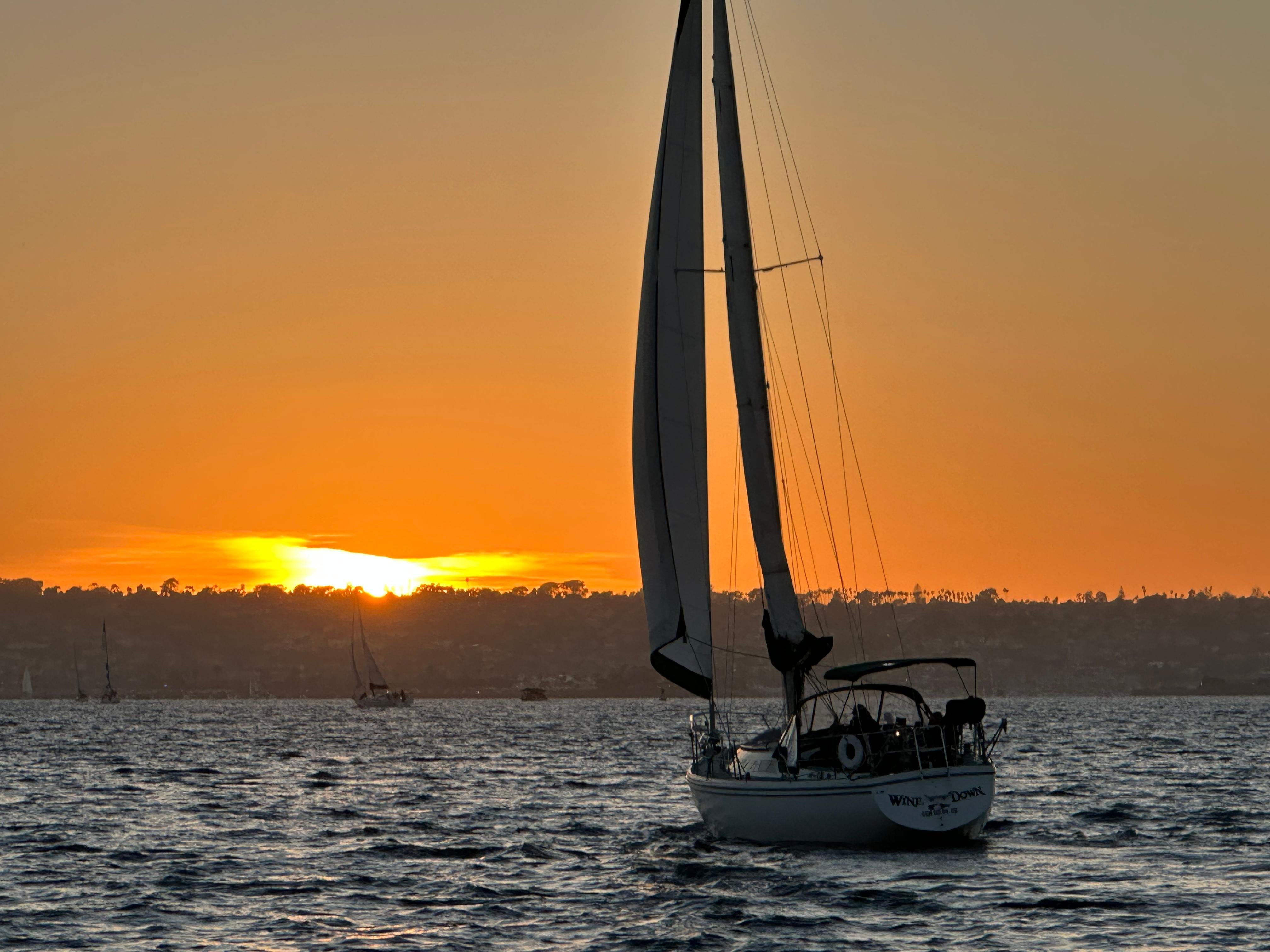
Glide across San Diego's sparkling bay aboard a yacht, spotting dolphins while sipping wine or beer
2 hours 30 minutes
Free Cancellation
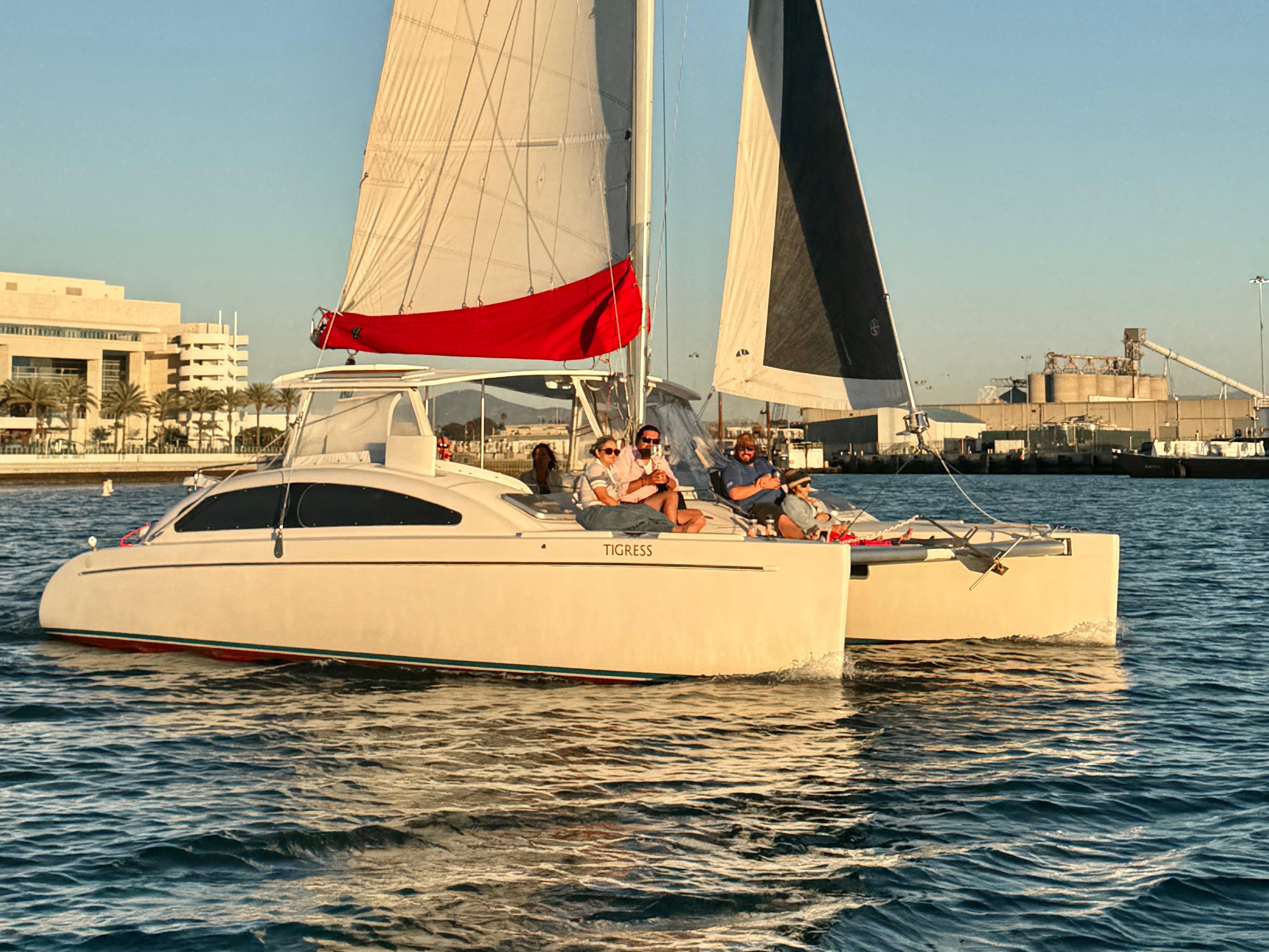
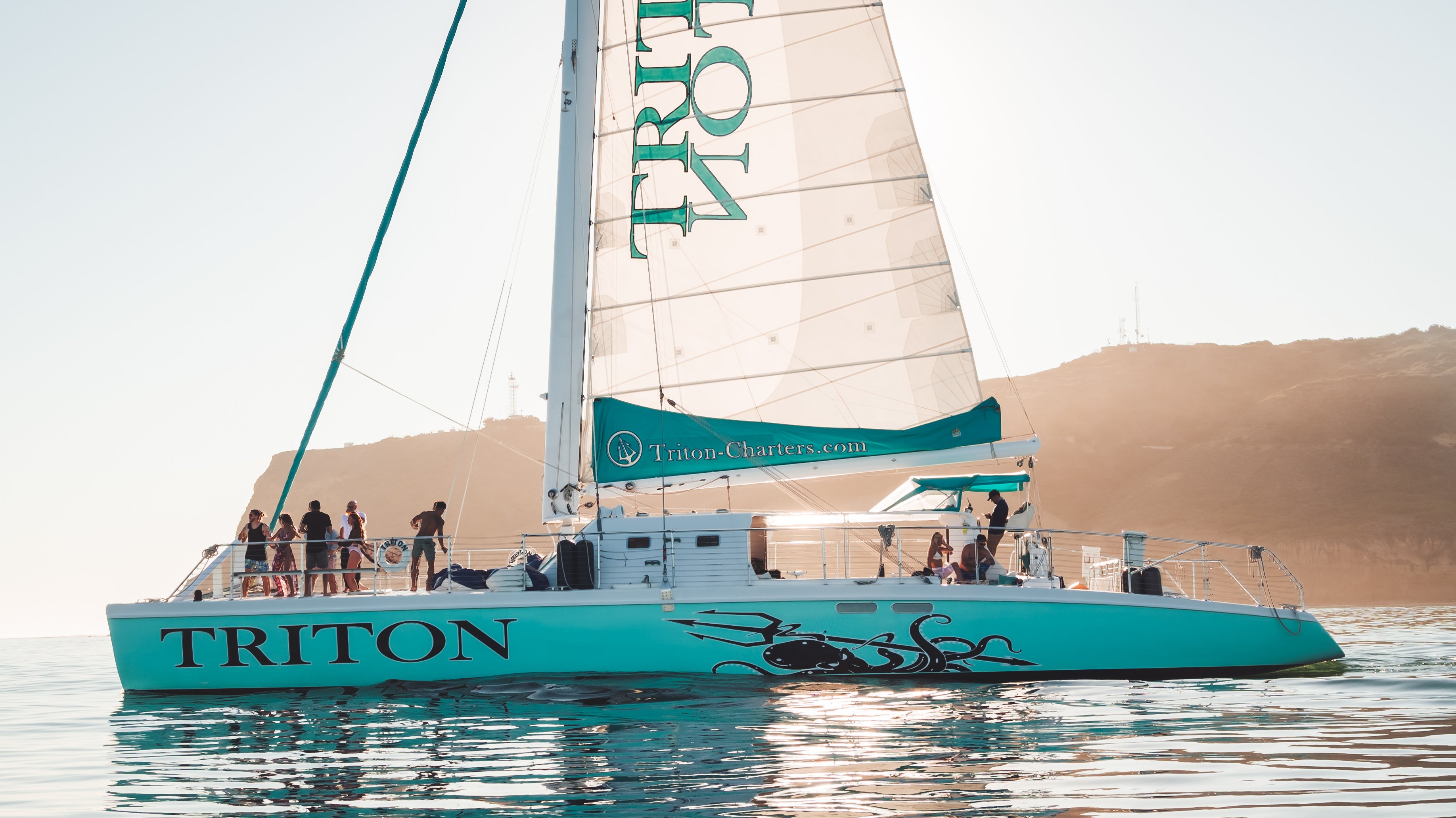
Glide across California's third-largest harbor on a stable catamaran with complimentary beverages and stunning skyline views.
2 hours 30 minutes
Free Cancellation
Sail through California's second-largest bay aboard a spacious 75-foot catamaran with bar service
4 hours
Free Cancellation
Sail San Diego's coast on a luxury yacht searching for whales, dolphins, and marine life with expert guides
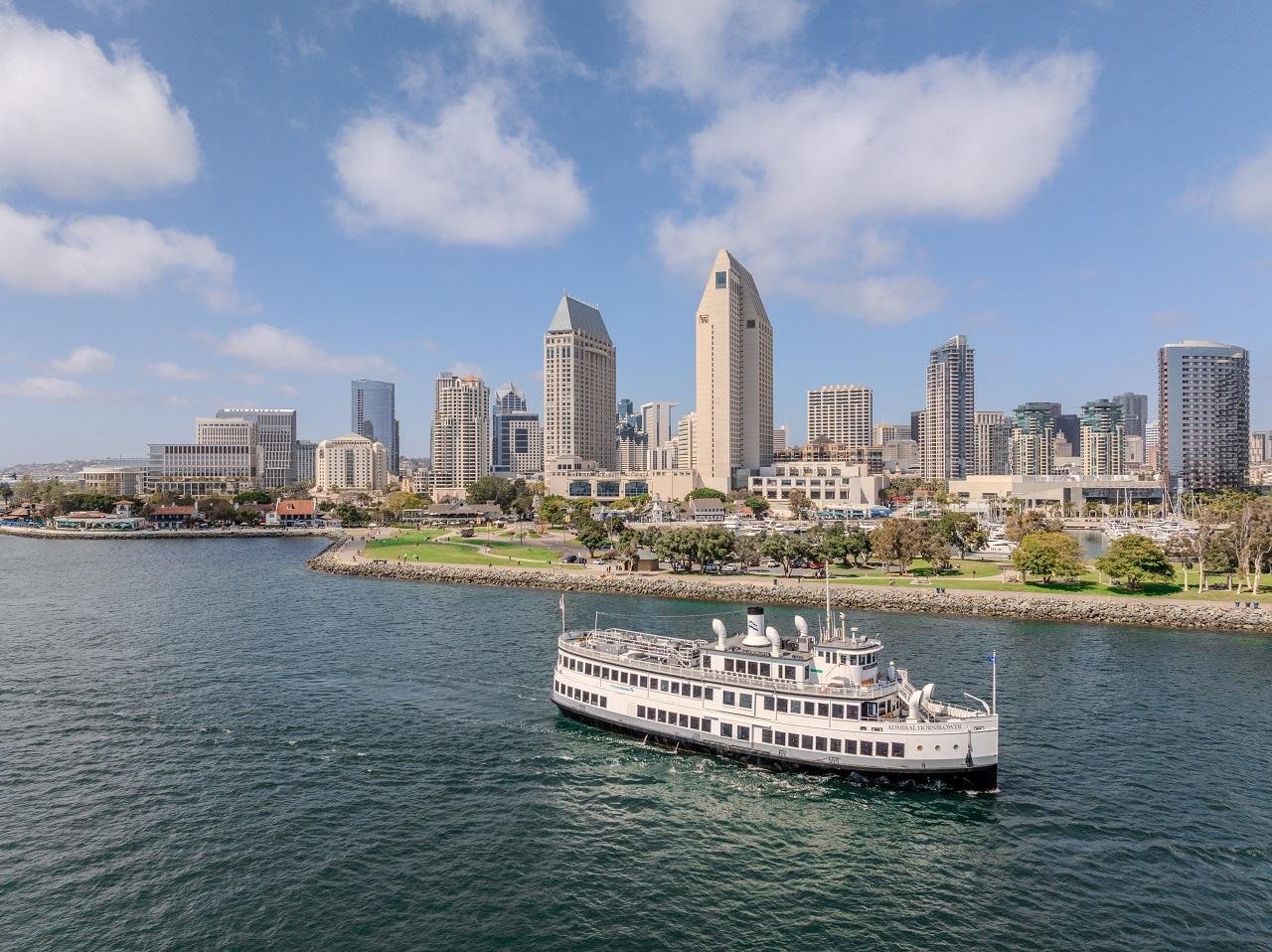
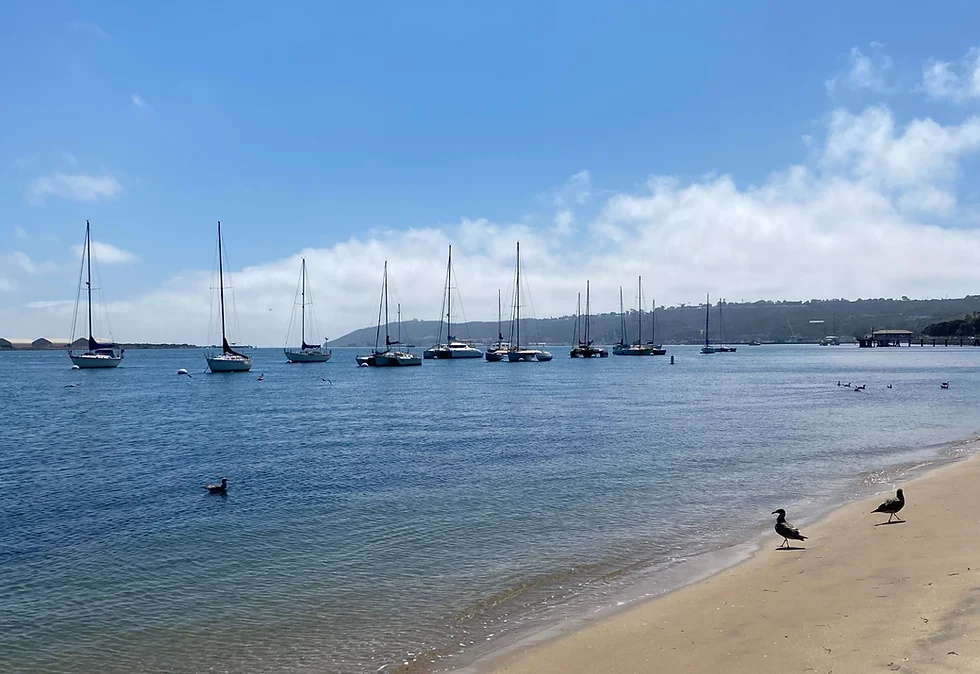
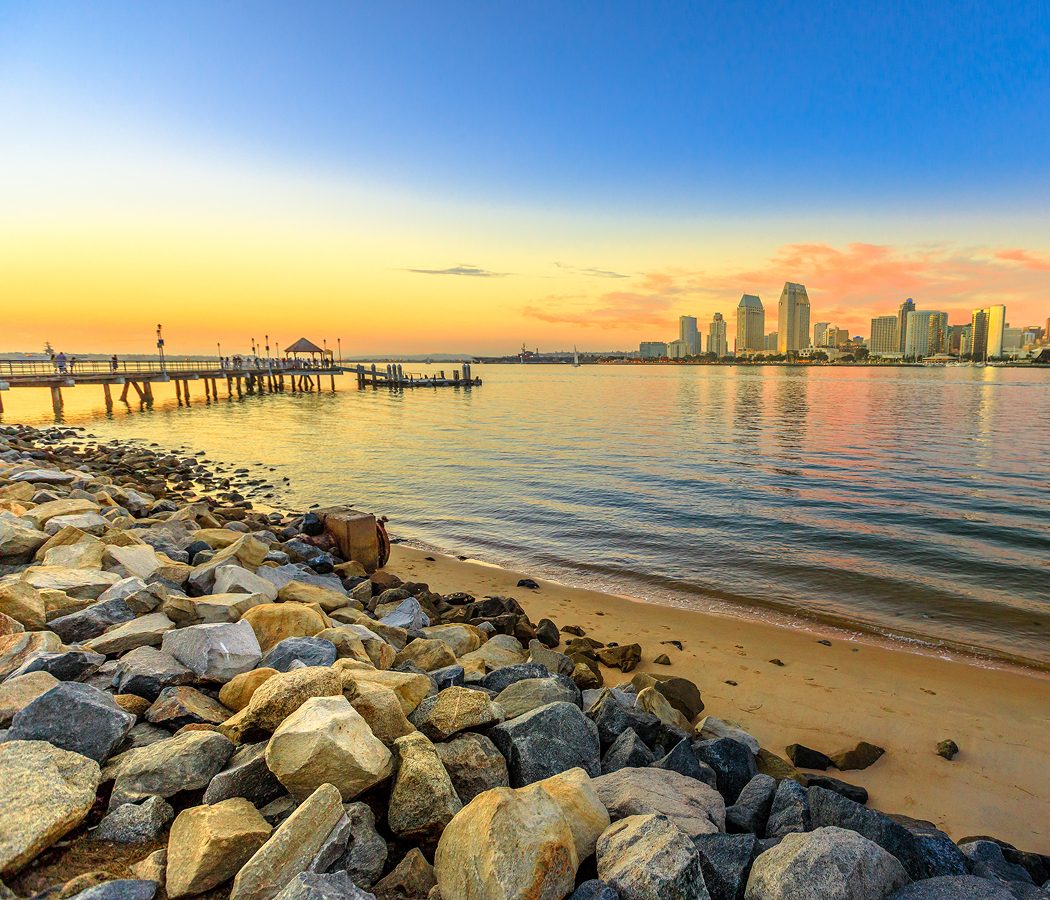
This natural harbor provides the primary departure point for whale watching fleets. It is home to diverse marine life and naval history
Mission Bay
Gray Whale Migration Route
Coronado Bridge
Open Ocean
All the details about your upcoming adventure in one place
More than 20,000 gray whales pass Point Loma each winter and spring, traveling 10,000 miles between Baja breeding lagoons and Arctic feeding grounds in the longest mammal migration on Earth.
The narrow continental shelf off San Diego compresses their route within three miles of shore, and the protected waters of Mission Bay and San Diego Bay offer stable departure points for vessels tracking the southbound procession from December through February and the northbound return from March into May. Commercial whale watching in San Diego began in 1959 aboard a converted fishing trawler, decades before sonar tracking and hydrophone arrays became standard equipment on modern tour boats.
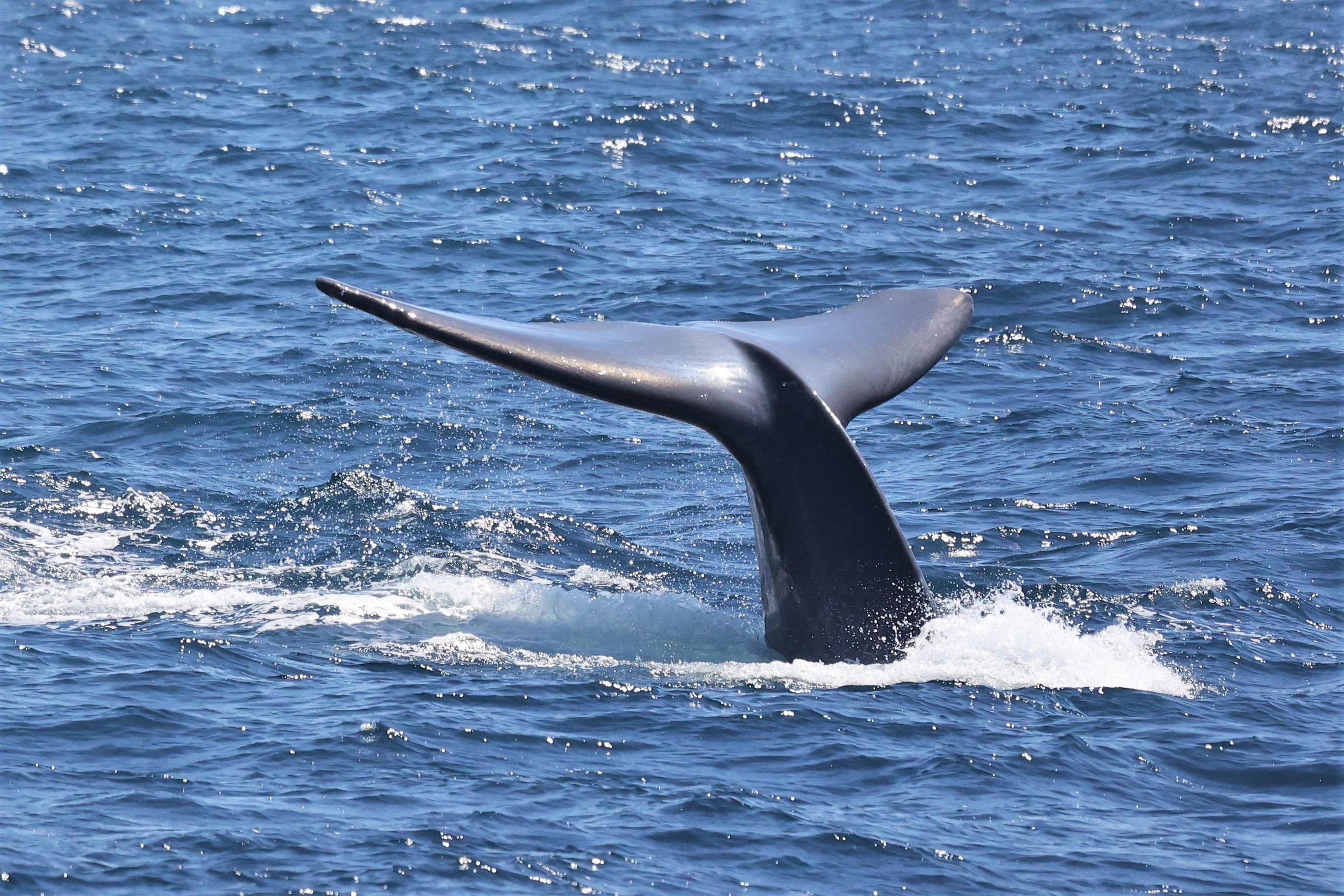
San Diego Bay hosts a resident population of approximately 300 bottlenose dolphins year-round, supplemented by Pacific white-sided dolphins and common dolphins that follow seasonal anchovy runs into the bay's deeper channels. Humpback whales, rare visitors before 2015, now arrive in summer months to feed on krill blooms generated by coastal upwelling. Blue whales, the largest animals ever to exist, pass within binocular range during their own migration corridor from June through September, though sightings remain opportunistic rather than guaranteed. The bay's three distinct marine habitats — shallow eelgrass beds near Harbor Island, the dredged shipping channel, and the open water south of the Coronado Bridge — each support different species assemblages, and experienced captains adjust routes based on real-time reports from the commercial fishing fleet and Coast Guard observations.
Most san diego boat tours whale watching depart from the Embarcadero district along Harbor Drive or from the Quivira Basin marina complex in Mission Bay. Vessels range from 65-foot catamarans carrying 150 passengers to smaller rigid-hull inflatables limited to twelve, with hydrophones, upper viewing decks, and heated cabins now standard across the fleet. Naturalists aboard larger boats provide live narration tied to GPS coordinates and species identification, while smaller operators emphasize proximity and maneuverability in active feeding zones. The Marine Mammal Protection Act mandates 100-yard minimum distances from whales and 50 yards from dolphins, though animals frequently approach vessels on their own terms, and breaching gray whales have been documented within arm's reach of stationary boats.
San Diego's coastal topography produces notably calm winter sea conditions compared to Monterey or the Channel Islands, and morning fog typically burns off by 10 a.m., leaving clear visibility for the remainder of the day. The thermocline layer sits at 60 feet during migration season, creating surface water temperatures between 58 and 62 degrees Fahrenheit that require layered clothing even on sunny afternoons.

More than 20,000 gray whales pass Point Loma each winter and spring, traveling 10,000 miles in the longest mammal migration on Earth.
Operators typically require 24 to 48 hours notice for full refunds. Fees are 0 USD for general access, but tour rates apply per booking terms.
Weather · crowds · average price — dots go green to amber to red as each metric rises.
December through April is peak season for Gray Whale migrations. Expect cooler temperatures and occasional rain showers.
Late season sightings continue as whales travel north. Temperatures are mild and pleasant for sea travel.
Focus shifts to Blue Whale sightings and pods of dolphins. The weather is warm and sea conditions are generally calm.
Drink plenty of water before boarding to help with motion sickness. Staying hydrated helps manage the physical strain of the open ocean.
Focus on the horizon rather than looking down to stabilize your view. Bring your own pair for better wildlife tracking.
San Diego's modern whale watching industry emerged in 1955 when Frank Carper, a sport-fishing captain, redirected his charter boat during gray whale migration season. The inaugural winter runs from San Diego Bay attracted scientists and amateur naturalists, establishing a template that commercial operators would follow for decades. By 1963, five bay-based vessels offered dedicated cetacean tours, departing from Shelter Island and Harbor Island piers. Early voyages lasted three hours and carried fewer than twenty passengers, with no guarantee of sightings. The passage of the Marine Mammal Protection Act in 1972 transformed operations overnight. Federal proximity rules—requiring boats to remain at least 100 yards from whales—forced captains to adopt passive observation techniques rather than pursuit. Naturalists joined crews to interpret behaviors, and hydrophones became standard equipment by 1979. San Diego boat tours whale watching evolved from opportunistic excursions into structured educational programs, with onboard biologists narrating migratory patterns and pod dynamics. The 1980s brought diesel-powered catamarans to the bay, doubling passenger capacity and reducing travel time to offshore feeding grounds. Horn blower Cruises introduced multi-level observation decks in 1987, a design that competitors quickly replicated. Blue whale sightings off Point Loma in 1991—previously rare in local waters—extended the traditional December-to-April gray whale season into summer months. Operators expanded itineraries to include humpback and minke whale routes, departing from both San Diego Bay and Mission Bay. Contemporary tours integrate real-time cetacean tracking data from research networks, guiding captains toward active pods. Hydrophone audio streams and underwater cameras, installed fleet-wide after 2015, allow passengers to hear whale songs during surface intervals. The COVID-19 shutdown in 2020 temporarily halted san diego boat tours whale watching tickets sales, but post-pandemic demand exceeded pre-2019 levels. Today's fleet includes electric-hybrid vessels launched in 2024, reducing engine noise that disrupts cetacean communication. Winter remains peak season, though year-round departures now serve the bay's resident dolphins and seasonal fin whale visitors.
Frank Carper's charter boat conducts San Diego's first dedicated gray whale tour from the bay.
Marine Mammal Protection Act establishes 100-yard minimum distance, ending pursuit-based whale watching.
Onboard hydrophones become standard equipment, allowing passengers to hear whale vocalizations.
Hornblower introduces multi-level observation decks, setting new design standard for tour vessels.
First documented blue whale sightings off Point Loma extend tourism season beyond winter months.
Fleet-wide installation of underwater cameras and live hydrophone streams begins.
Pandemic shutdown halts operations; post-reopening demand surpasses 2019 booking levels.
Electric-hybrid tour vessels debut, reducing engine noise in cetacean habitats.
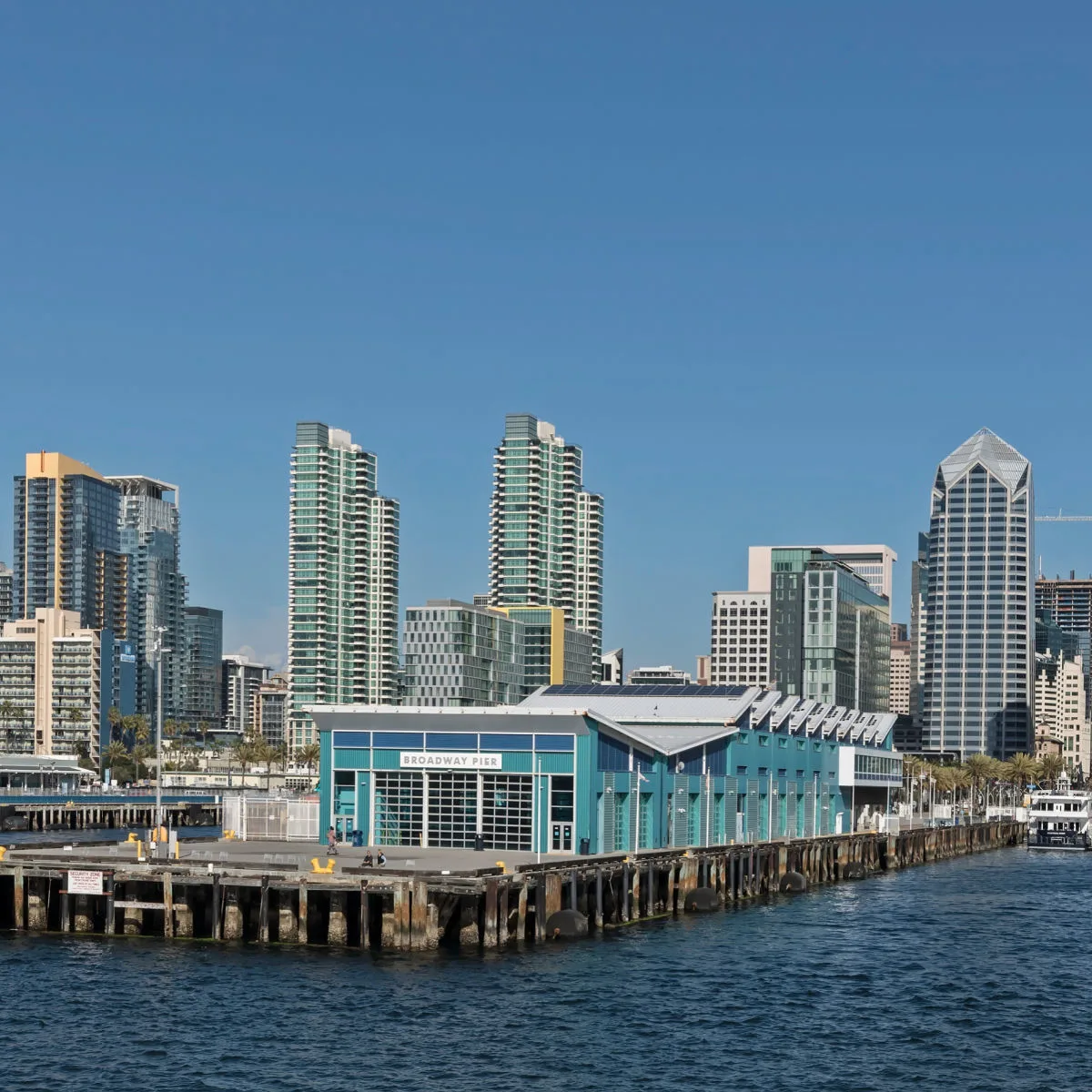
Stand near the western edge to capture the departure of vessels against the skyline, providing a clear vantage point for those preparing for a san diego boat tours whale watching excursion.
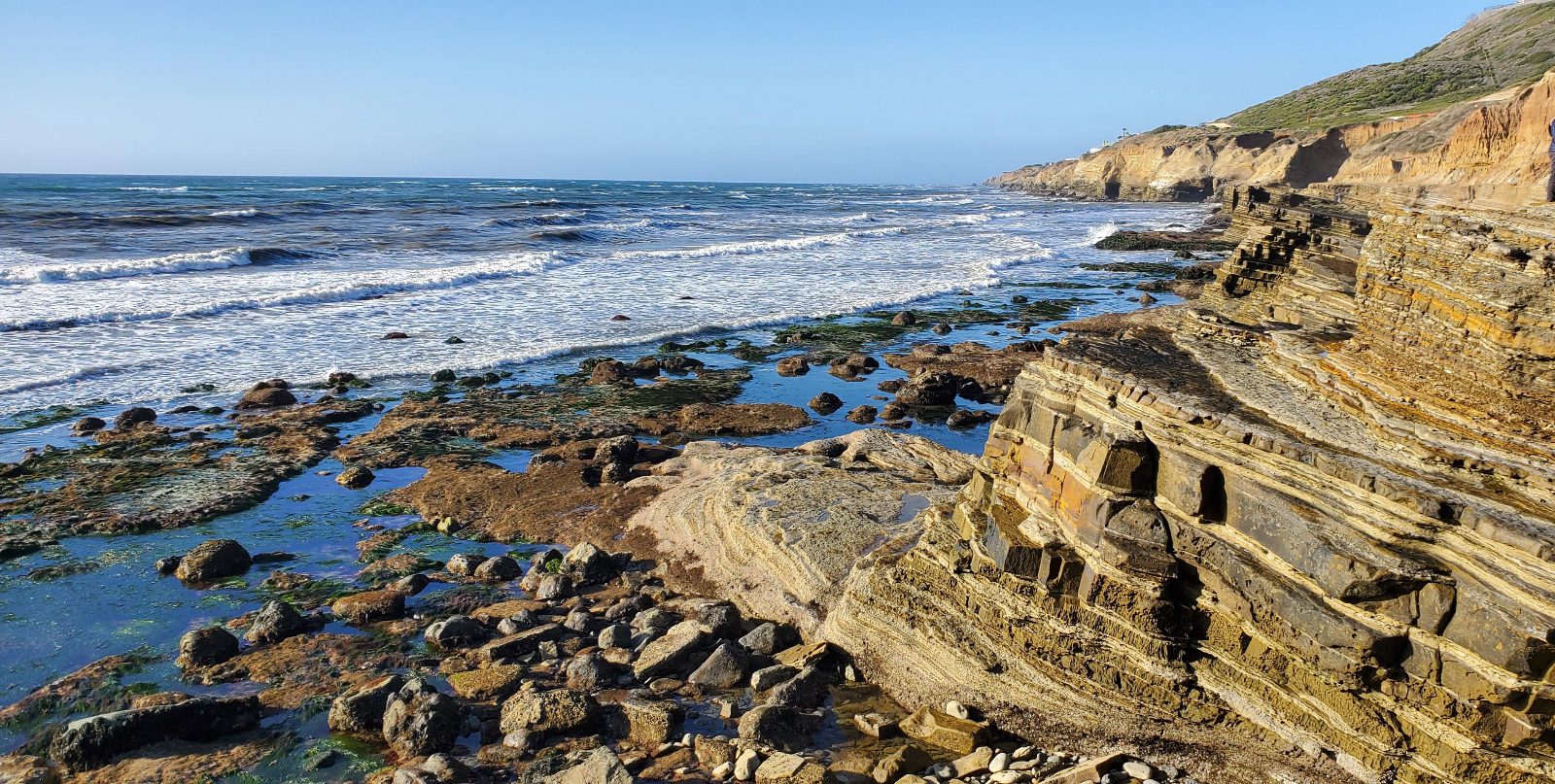
This location offers an expansive view of the channel where coastal maritime traffic passes, making it ideal for tracking sea life migrations.
Position yourself along the northern promenade to photograph the watercraft as they navigate the bay, often utilized by travelers with san diego boat tours whale watching tickets.
While distinct from the vessels, this area provides a backdrop of the Pacific entrance where you can photograph the ocean horizon during a san diego boat tours whale watching tour.
Planning san diego boat tours whale watching requires preparing for open water and changing marine conditions. Families find success by focusing on motion comfort and choosing the right vessel size for their children.
Give children non-drowsy motion sickness medication at least one hour before departure to ensure they enjoy the san diego boat tours whale watching tours. Focus on the horizon rather than looking down at devices or books to help maintain stability.;Vessel Choice
Visitors planning for san diego boat tours whale watching will find several convenient dining options steps from the harbor docks. While some operators offer light snacks on board, the surrounding waterfront districts provide diverse choices for a meal before or after your Pacific marine life excursion.
Everything you need to know for your journey
You can bring cameras on san diego boat tours whale watching, but leave professional tripods and glass containers at home.
Check with your specific san diego boat tours whale watching provider regarding their refund policy for weather-related cancellations.
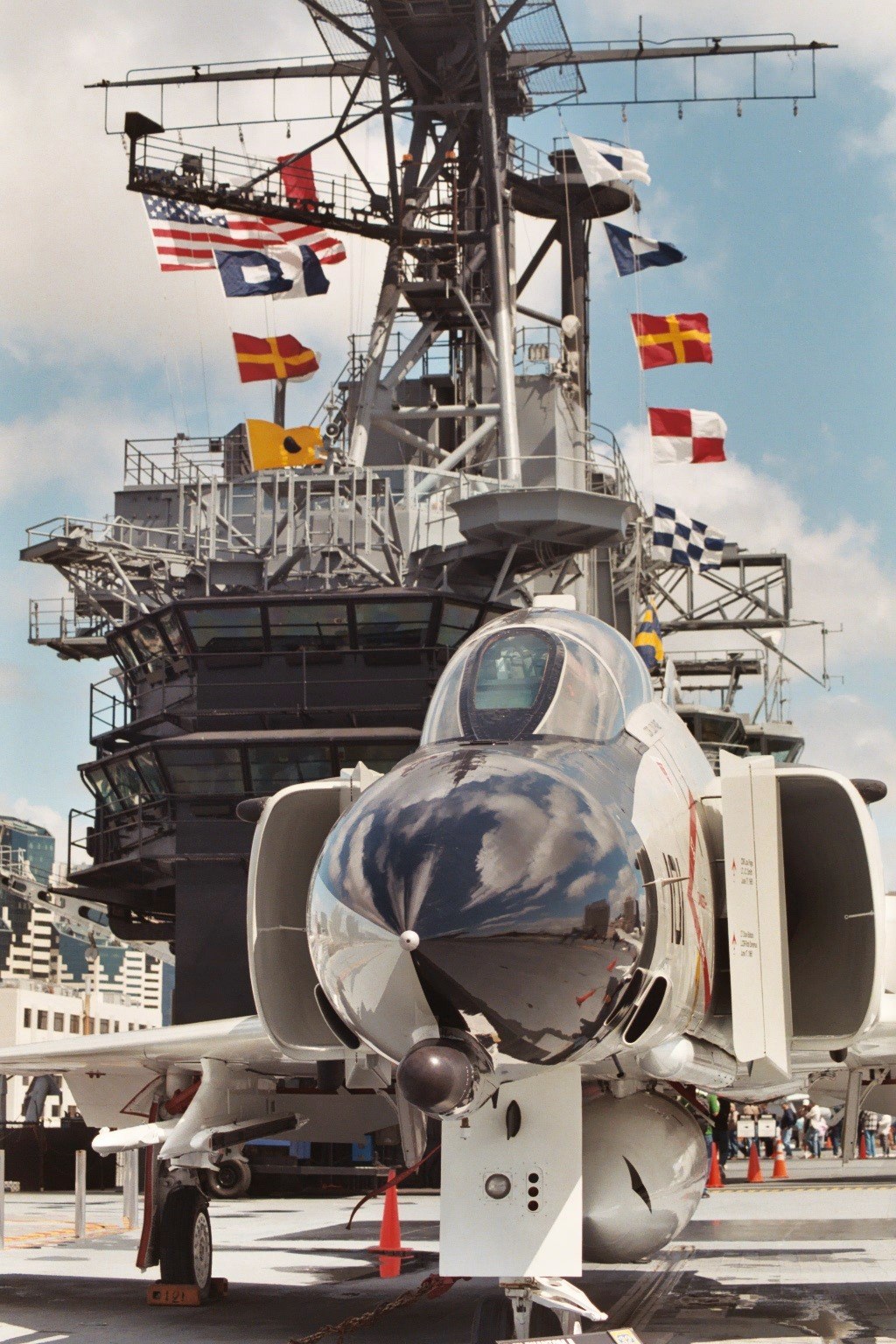
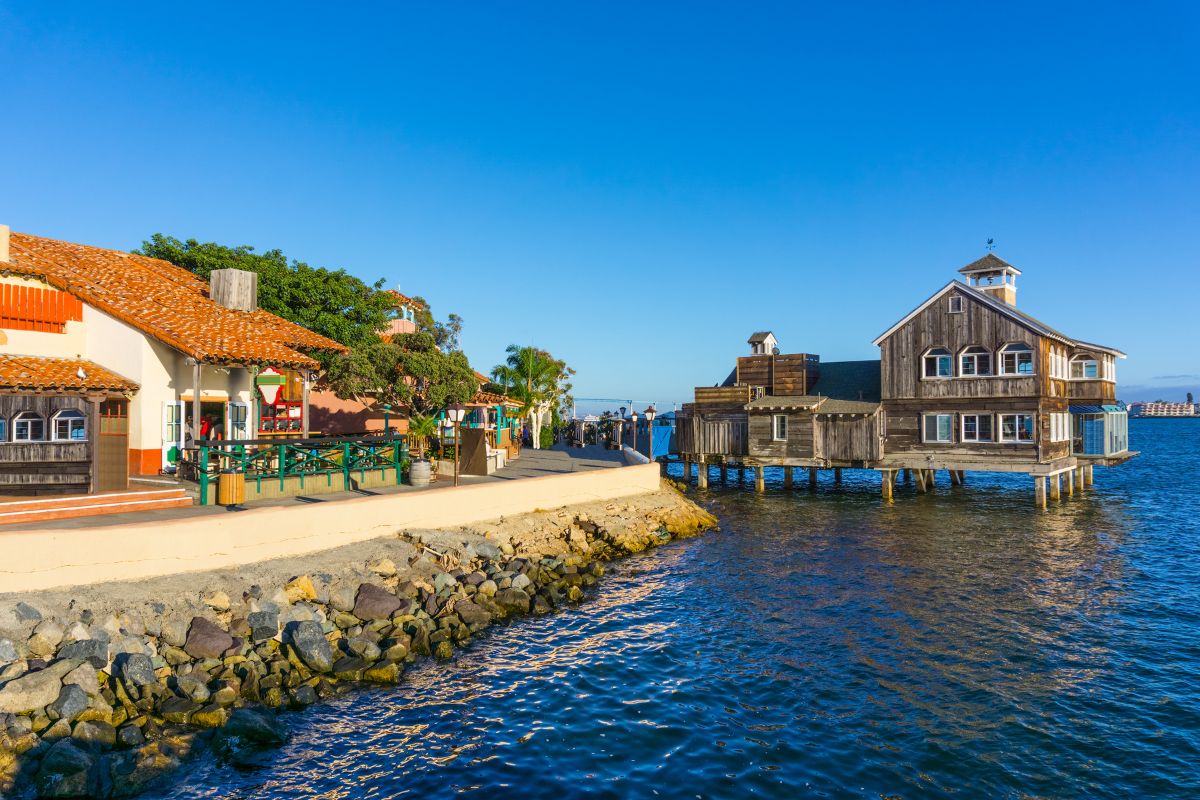
Yes, you can visit the USS Midway Museum or Seaport Village after finishing your san diego boat tours whale watching trip.
Explore this historic aircraft carrier docked in the bay
A waterfront complex featuring shops and dining
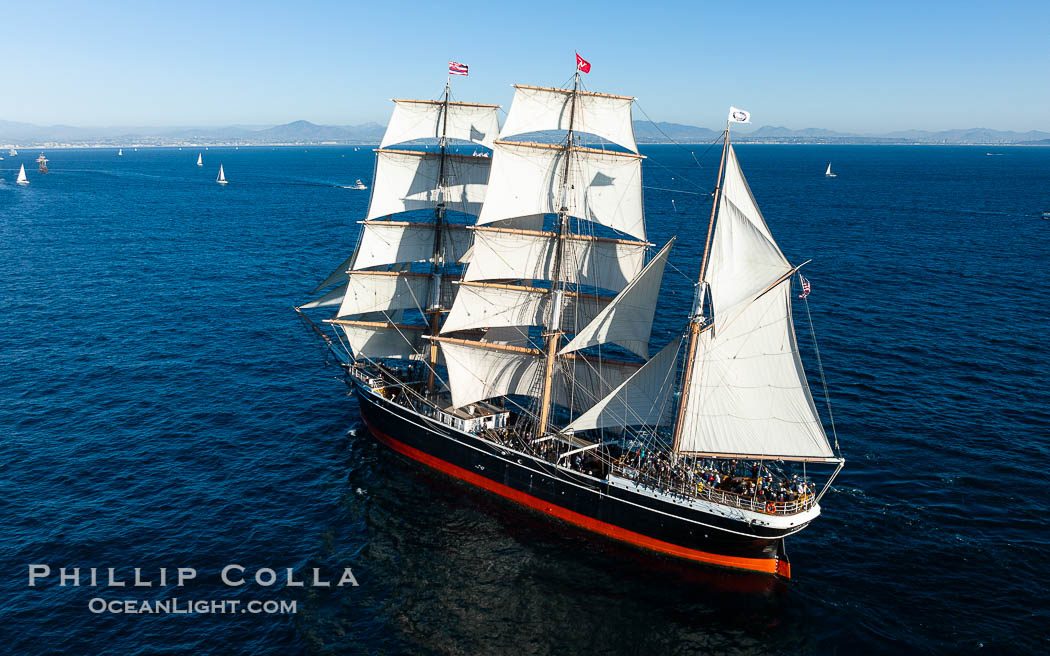
View historic ships including the Star of India
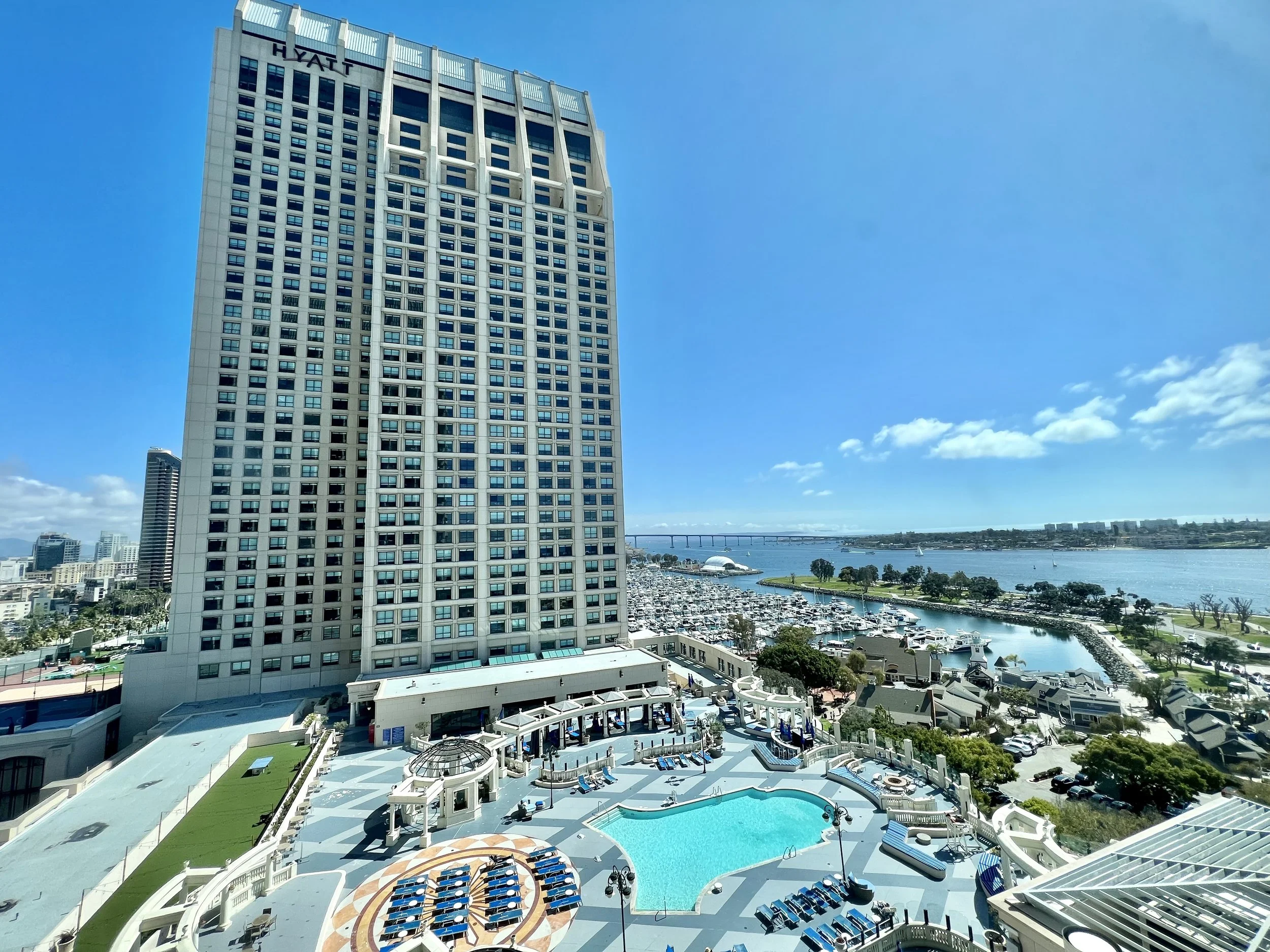
High-rise hotel overlooking San Diego Bay
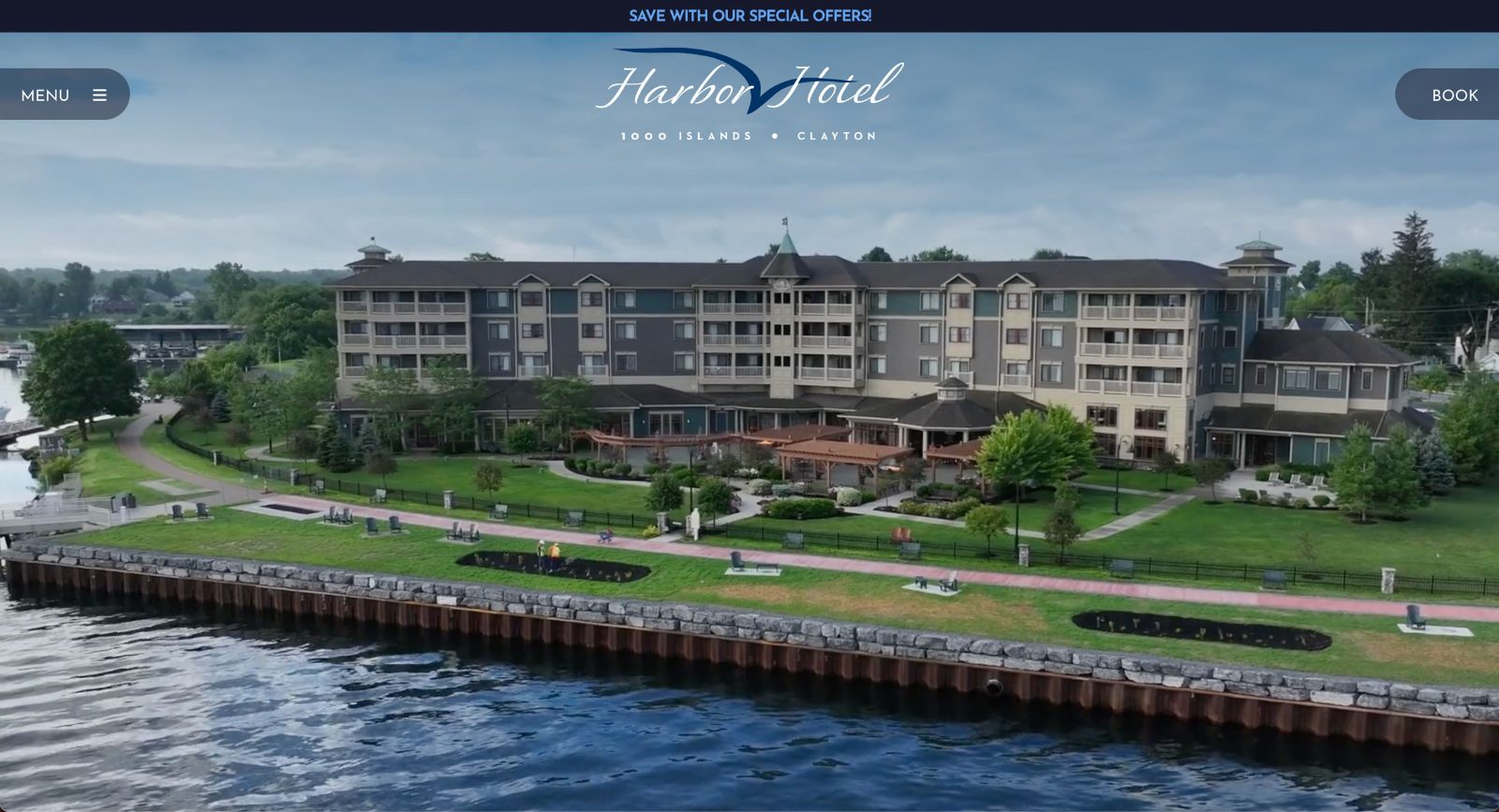
Convenient suites near the harbor
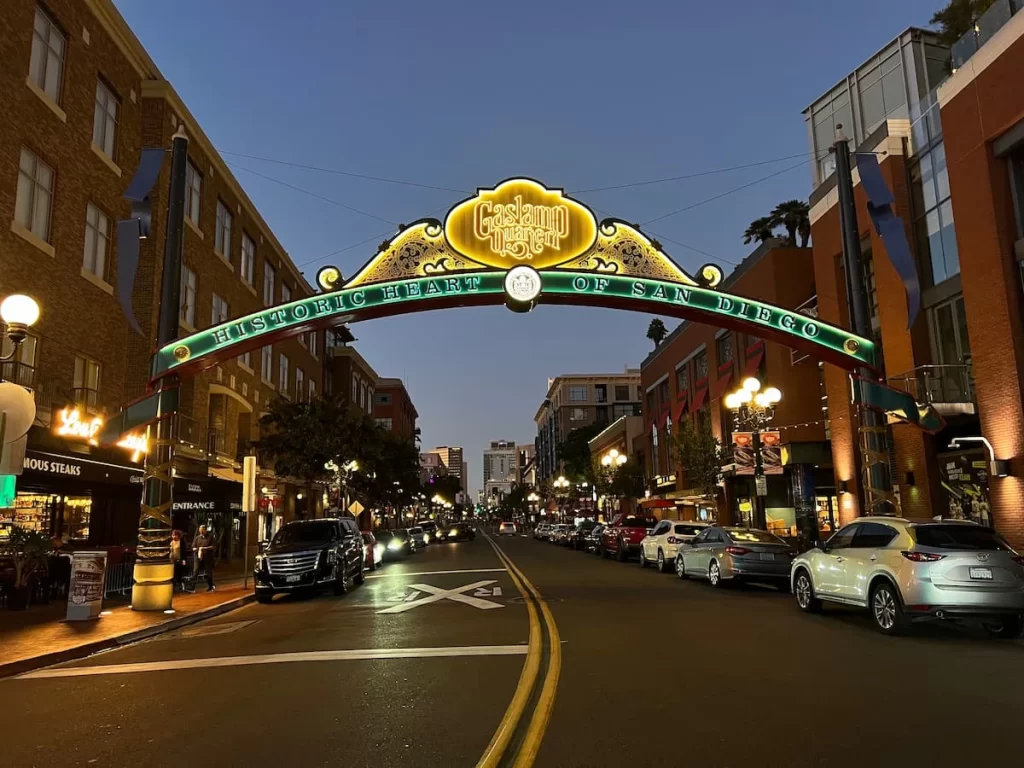
Center of downtown near nightlife
Join thousands of happy travelers who have discovered this incredible experience
Book Your Experience Now